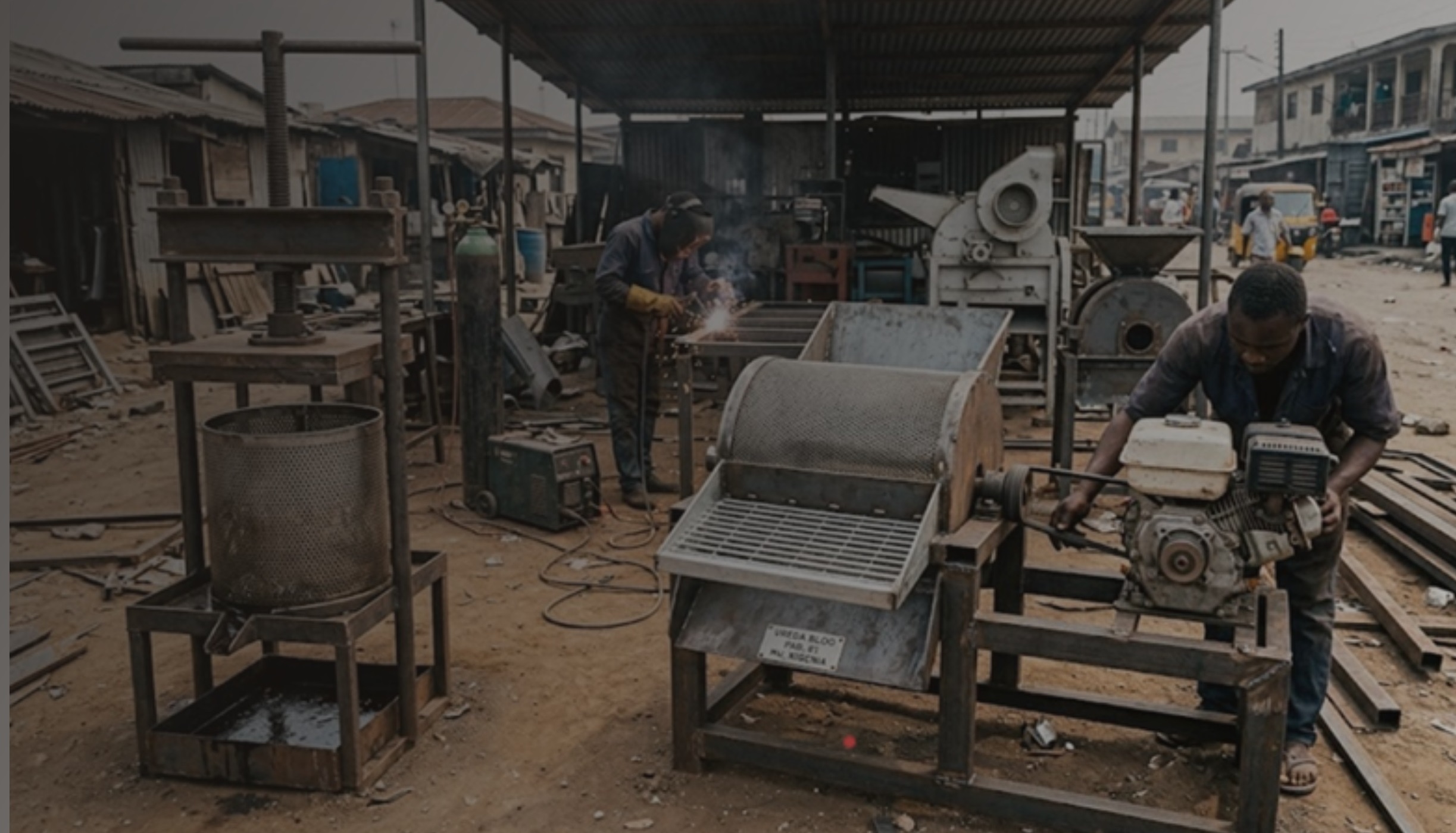

If you travel along the East–West Road, pass through the farming communities of Rivers State, or visit fabrication clusters in Mile 3, Aba, Ikot Ekpene, and Port Harcourt, you will notice something remarkable happening quietly behind the sparks of roadside welding workshops.
Across Nigeria, local fabricators are building practical agricultural machines that many rural farmers now depend on daily. While imported equipment often struggles with difficult terrain, inconsistent electricity, limited spare parts, and high maintenance costs, locally fabricated machines are designed specifically for the realities of Nigerian farming environments.
When an imported tractor or processing machine breaks down in a rural community, replacement components may take weeks or months to arrive. In contrast, locally built machines can often be repaired the same day by nearby welders and mechanics using readily available materials.
From cassava processing to palm oil extraction and poultry feed production, these five locally fabricated agricultural machines are helping farmers reduce labor costs, improve productivity, and strengthen food production across many Nigerian communities.
- Motorized Cassava Grating Machine
In many rural communities across Delta, Imo, Benue, and Rivers State, cassava processing is a major part of daily agricultural life. Traditionally, grating cassava manually required significant physical labor and time, especially for women involved in garri production.
The introduction of motorized cassava grating machines has transformed this process.
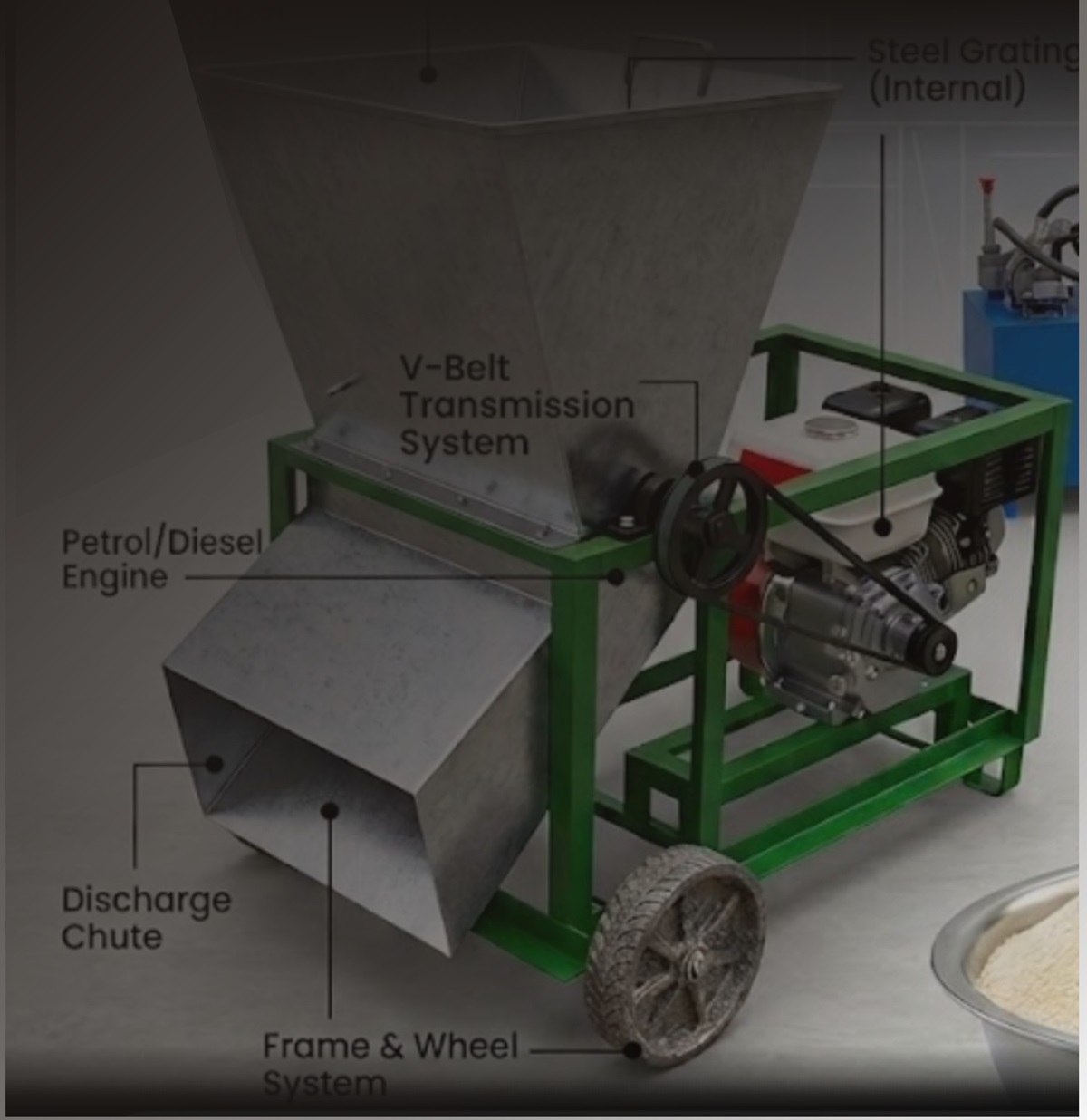
These machines are commonly fabricated using:
- 4hp to 7hp petrol engines
- locally welded steel frames
- belt-and-pulley systems
- perforated stainless steel grating drums
The rotating drum rapidly grates peeled cassava tubers into fine pulp suitable for further processing into garri, fufu, or starch products.
Why Farmers Prefer Locally Fabricated Graters
Local fabricators intentionally design these machines to withstand:
- rough transportation conditions
prolonged daily use
irregular fuel quality
limited maintenance infrastructure
Many workshops also use stainless steel drums to reduce corrosion and improve food safety during cassava processing.
Common Maintenance Challenges
Despite their usefulness, these machines experience:
excessive vibration
pulley misalignment
worn bearings
engine overheating
Proper maintenance and correct pulley sizing are essential for long-term durability and efficient operation during peak harvest seasons.
2. Manual and Hydraulic Cassava Screw Press
After cassava is grated, the wet pulp still contains large amounts of liquid and naturally occurring cyanogenic compounds that must be removed quickly before roasting.
Traditionally, rural processors used heavy stones or wooden logs to compress cassava sacks over several days. Modern locally fabricated screw presses now complete this process within hours.
How the Machine Works
The machine consists of:
a reinforced welded steel frame
threaded compression rods
manual or hydraulic pressure systems
metal press cages for cassava bags
As pressure is applied, excess liquid drains from the cassava mash, leaving a drier material ready for frying into garri.
Benefits to Rural Processors
Locally fabricated presses help farmers:
reduce processing time
minimize spoilage
improve garri quality
increase production capacity
Commercial processors in Aba and Port Harcourt increasingly use hydraulic-assisted versions capable of handling multiple bags simultaneously.
Importance of Welding Quality
The strength of these machines depends heavily on proper welding techniques and structural reinforcement. Poor weld joints can fail under high pressure, making fabrication quality extremely important for operator safety and machine longevity.
3. Diesel-Powered Palm Oil Press
Palm oil production remains one of the most important agricultural activities across the Niger Delta and southeastern Nigeria.
Traditional extraction methods often produce lower oil yields and require intensive manual labor. Locally fabricated palm oil presses have significantly improved extraction efficiency for many small-scale producers.
Local Engineering Adaptation
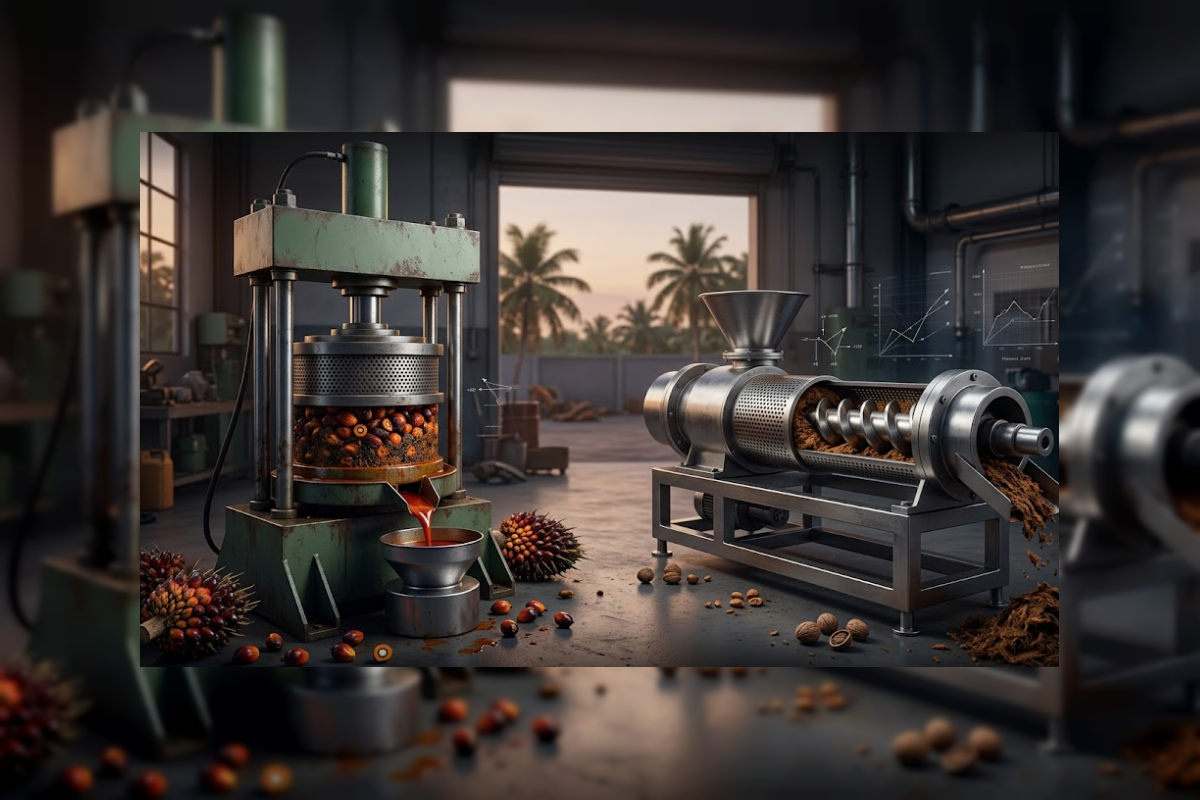
These machines are commonly built using:
thick carbon steel chambers
screw press mechanisms
single-cylinder diesel engines
locally machined shafts and bearings
Boiled palm fruit is compressed inside a narrowing chamber that separates oil from fiber and kernels through mechanical pressure.
Why These Machines Matter
For many rural households, locally fabricated palm oil presses:
increase oil extraction rates
reduce waste
improve product quality
create small processing businesses
The affordability and repairability of these machines make them more accessible than imported industrial systems.
Wear and Durability Challenges
Palm kernel residue and fiber create heavy abrasion inside the press chamber. Fabricators often reinforce high-wear components using hardened steel and thicker metal sections to improve operational lifespan.
4. Multi-Crop Grain Thresher
For maize, millet, and sorghum farmers in northern and central Nigeria, post-harvest grain processing can be physically demanding and time-consuming.
Locally fabricated grain threshers help reduce grain losses while increasing processing speed.
Machine Design
Most locally built threshers contain:
rotating spike drums
steel mesh separation chambers
blower fans
petrol or electric motors
As harvested maize or grain enters the machine, rotating beaters separate kernels from cobs and stalk material.
Integrated blower systems remove dust and chaff, leaving cleaner grain ready for storage or sale.
Advantages for Farmers
These machines help farmers:
reduce post-harvest losses
improve grain quality
process larger harvest volumes
reduce manual labor
Many fabricators also customize threshers for specific crops depending on local farming patterns.
5. Feed-Mill and Mixer Machines
With the rapid growth of poultry and fish farming across peri-urban communities, many farmers now produce their own animal feed to reduce operational costs.
Locally fabricated feed mills and mixers are becoming increasingly common in agricultural communities around Rivers, Abia, Ogun, and Kaduna states.
How the System Works
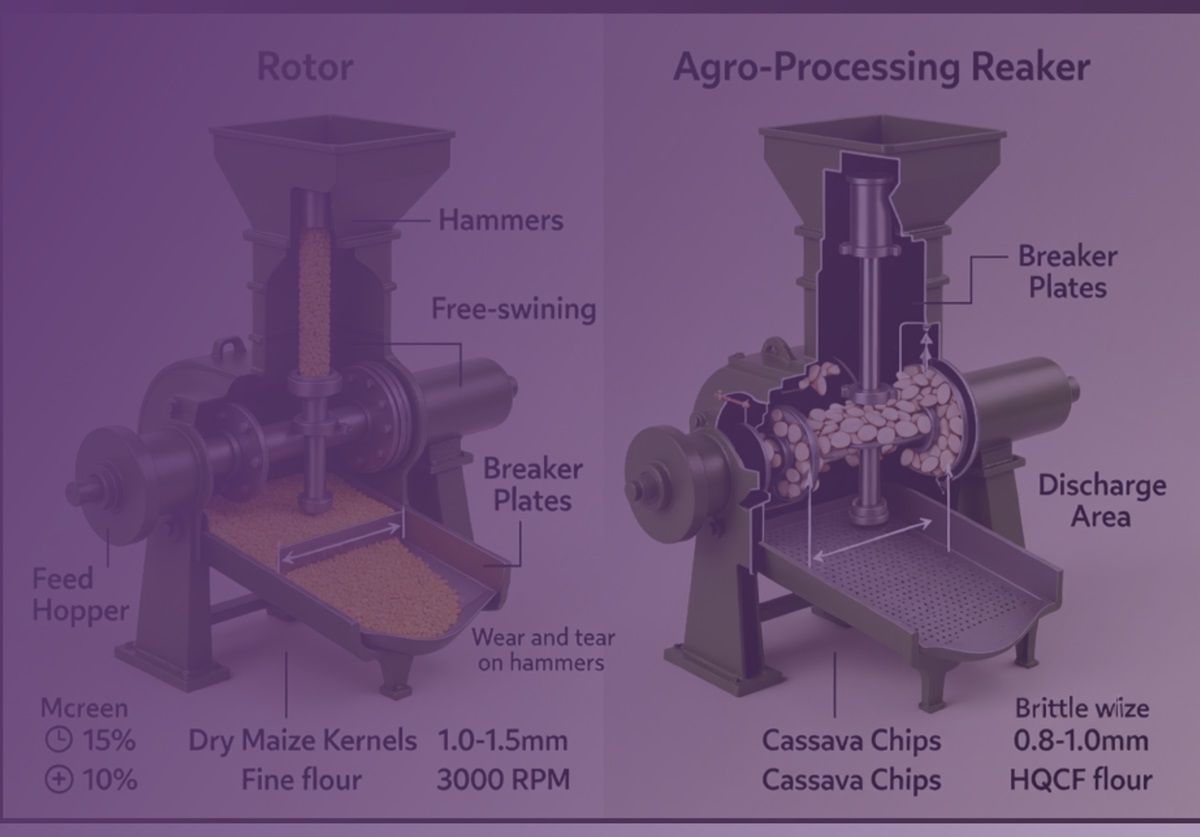
The setup typically combines:
hammer mills
crushing chambers
vertical or horizontal mixers
electric or petrol-driven motors
Ingredients such as maize, fish meal, soybean meal, and palm kernel cake are pulverized and mixed into uniform feed formulations.
Economic Benefits
For independent poultry farmers, these machines can:
reduce feed costs
improve feed consistency
increase production control
support small-scale agribusiness growth
Many rural operators choose petrol-powered systems due to unreliable electricity supply in some communities.
Why Locally Fabricated Agricultural Machines Continue to Grow
Imported agricultural equipment often performs well under controlled industrial conditions. However, many rural farming environments in Nigeria present unique operational challenges, including:
unstable electricity
difficult road networks
inconsistent fuel quality
limited access to spare parts
shortage of specialized technicians
Local fabricators design machines specifically for these realities.
Their machines are valued because they are:
affordable
repairable
adaptable
easy to maintain
built with locally available materials
In many communities, a roadside welder or local mechanic can repair a damaged machine within hours using basic fabrication tools and replacement parts sourced nearby.
Challenges Facing Local Fabricators
Despite their contributions to agriculture, local fabrication workshops still face major obstacles, including:
limited access to funding
rising steel prices
unstable electricity supply
lack of industrial equipment
limited government support
low technical training opportunities
Improving support for local engineering and fabrication industries could significantly strengthen agricultural productivity and rural economic development.
The Future of Rural Agricultural Engineering in Nigeria
Across Nigeria, local fabricators are proving that practical engineering solutions do not always require expensive imported technology.
By adapting machines to local farming realities, these artisans and mechanics continue to support food processing, rural employment, and small-scale agricultural businesses.
As digital platforms increasingly showcase indigenous engineering innovation, more farmers and entrepreneurs are beginning to recognize the important role these fabrication workshops play in strengthening agricultural systems across West Africa.
For many rural communities, these machines are more than mechanical tools — they are part of a growing movement toward locally driven agricultural sustainability and industrial self-reliance.
Comments (0)
No comments yet. Be the first!
Please login to leave a comment
Login to Comment