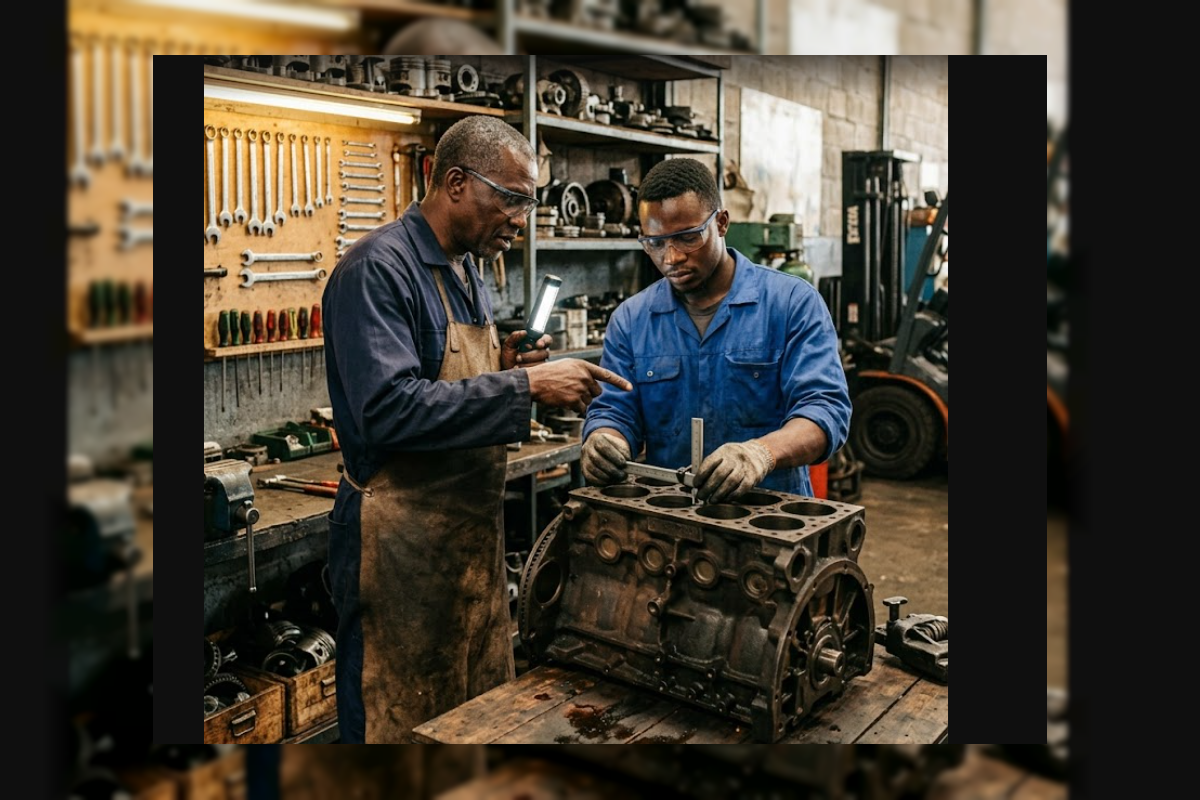

When global business schools discuss the top venture incubators in the world, places like Silicon Valley, Shenzhen, or London dominate the syllabus. Yet, the largest, most successful decentralized business accelerator on Earth doesn't use venture capital term sheets, formal corporate equity, or sleek pitching decks. Instead, it operates out of busy industrial corridors and roadside markets through a cultural institution built on trust, grit, and hands-on mentorship: the Traditional Apprenticeship System, known locally as Imu Ahia or Nwa Boyi.
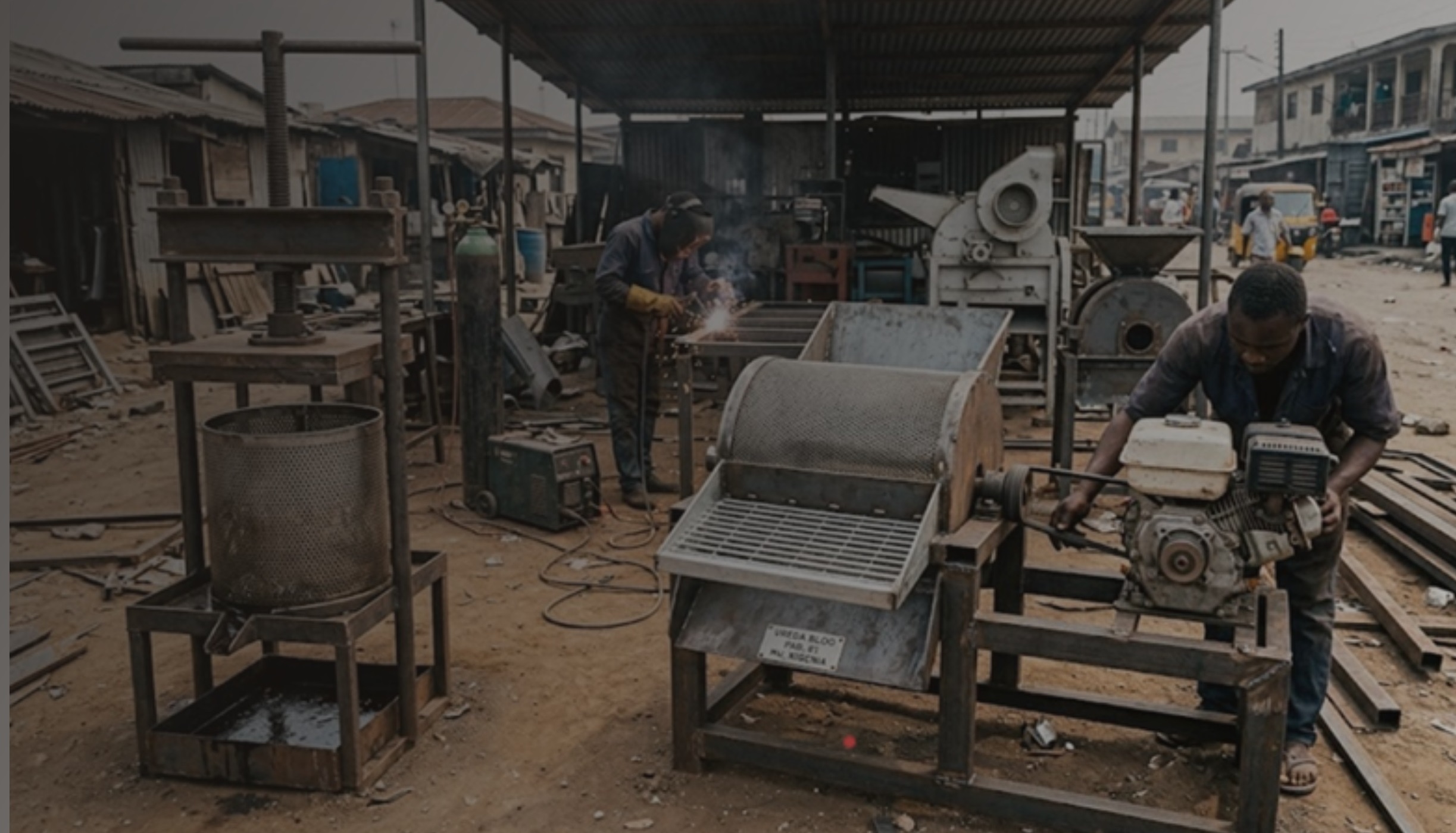
While originally celebrated for building massive commercial trading networks, the Nwa Boyi model has evolved into Nigeria's most reliable decentralized incubator for practical engineering and technical business. From complex automotive diagnostics hubs to heavy metal fabrication yards, this organic system has successfully managed something that structured technical colleges often struggle with: translating deep, hands-on mechanical tech skills into highly profitable, self-sustaining small enterprises.
At Vreda Blog, we are completely dedicated to spotlighting local mechanical stories and tech-driven community initiatives. This week, we are to analyze the operational mechanics of the Nwa Boyi system. We'll look at how it functions as a highly practical tech-transfer pipeline and keeps the wheels of our grassroots industrial economy turning.

1. The Lifecycle of an Apprentice: From Novice to Master
The brilliance of the engineering-focused Nwa Boyi structure lies in its long-term, multi-stage development pipeline. It is an unwritten but strictly honored contract between an established workshop owner (the "Oga" or "Master") and the apprentice's family. The journey is meticulously designed to build technical competency and financial intelligence simultaneously:
- The Observation Phase (Years 1–2): The young apprentice starts by handling basic workshop operations, maintaining tools, and running logistics. They watch the master work, developing a sharp eye for materials, tool behavior, and real-world trouble diagnostics.
- The Practical Execution Phase (Years 3–5): As skills grow, the apprentice is given direct responsibility over actual fabrication and client tasks. They learn the hard realities of inventory control, customer relations, raw material sourcing, and price negotiation under the direct supervision of the master.
- The Graduation & "Settlement" (Final Year): This is the ultimate venture-capital moment. Upon successful completion of the agreed term, the master provides a substantial lump-sum payout (settlement). This includes renting a new workshop space, buying a starter set of industrial tools, and securing initial operating inventory to launch the graduate as a fully independent entrepreneur.
2. Technical Transfer vs. Academic Theory
Why does this informal system consistently produce highly capable, business-savvy technical specialists while formal engineering programs often leave graduates struggling for employment? The answer is immediate, immersive market feedback.
In a standard technical college, curriculum designs can lag behind modern market developments by years. In contrast, an Nwa Boyi apprentice in an automotive electronics or structural welding cluster interacts directly with current market challenges every single day. If a new model of European or Asian industrial hardware lands in the market, the local workshops disassemble it, map its structural vulnerabilities, and figure out how to adapt it to the local environment within weeks. The apprentice learns agile innovation by doing, turning raw theory into instant economic action.
Incubator Analysis: Corporate Framework vs. The Nwa Boyi Model
To truly appreciate the systemic design of this indigenous model, let's look at how it compares to conventional modern business incubators:
| Operational Pillar | Standard Tech Incubators | The Nwa Boyi Apprenticeship Hub |
|---|---|---|
| Funding Mechanism | External Venture Capital (VC) or government grants. Heavy pressure on paper valuations and equity handovers. | The Master's Reinvestment. Funded entirely out of real workshop cash flows, creating direct, skin-in-the-game accountability. |
| Curriculum & Skill Fit | Pitch training, slide decks, and theoretical metrics. Often disconnected from rough, day-to-day ground realities. | Hyper-Practical Mastery. 100% immersion in metallurgy, technical diagnostics, cost accounting, and direct client negotiation. |
| Network Velocity | Introductions to distant investors via formal emails and demo days. High failure rate once initial seed funding runs dry. | Deep Community Ecosystem. A graduate steps into an established, trusted web of material suppliers, fellow craftsmen, and ready customers from day one. |
3. Built-In Scaling: The Viral Growth of Community Wealth
The most powerful feature of the Nwa Boyi model is its viral multiplier effect. In standard corporate business settings, a newly launched competitor is often viewed as a direct threat. In the apprenticeship model, the success of a graduated apprentice actually elevates the social and commercial status of the master's original house.
When a senior apprentice is settled and establishes a thriving workshop in an expanding commercial area like Aba, Port Harcourt, or Nnewi, they don't operate isolated from their source. They maintain close supply lines with their former master, share complex job overflows, and immediately bring on their own wave of young apprentices. This structured process triggers a massive chain reaction of wealth generation, building an incredibly resilient network of self-taught engineers who actively safeguard their local economy against external shocks.
The Vreda Insight: True industrial independence cannot be imported; it must be cultivated on-site. By recognizing, respecting, and mapping the outstanding mechanics of the Nwa Boyi ecosystem, we uncover the exact blueprint needed to drive sustainable, continent-wide industrial tech scaling from the ground up.
The traditional apprenticeship system proves that real economic power isn't about massive institutional funding it's about the deliberate, community-backed passing of practical skill.
Have you interacted with a master craftsman who built their business through the Nwa Boyi pipeline, or do you work within an active local artisan cluster yourself? Let's talk about the incredible impact of decentralized mentorship in the comments below!

Comments (0)
No comments yet. Be the first!
Please login to leave a comment
Login to Comment