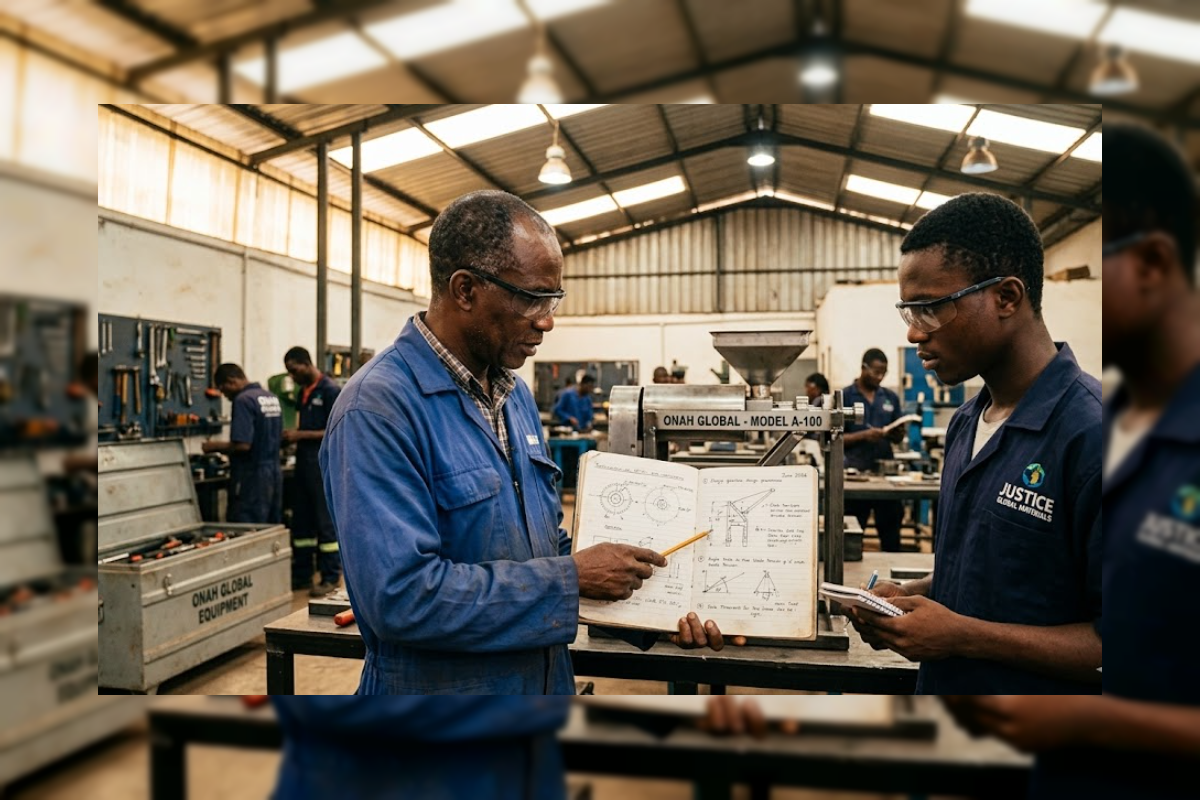

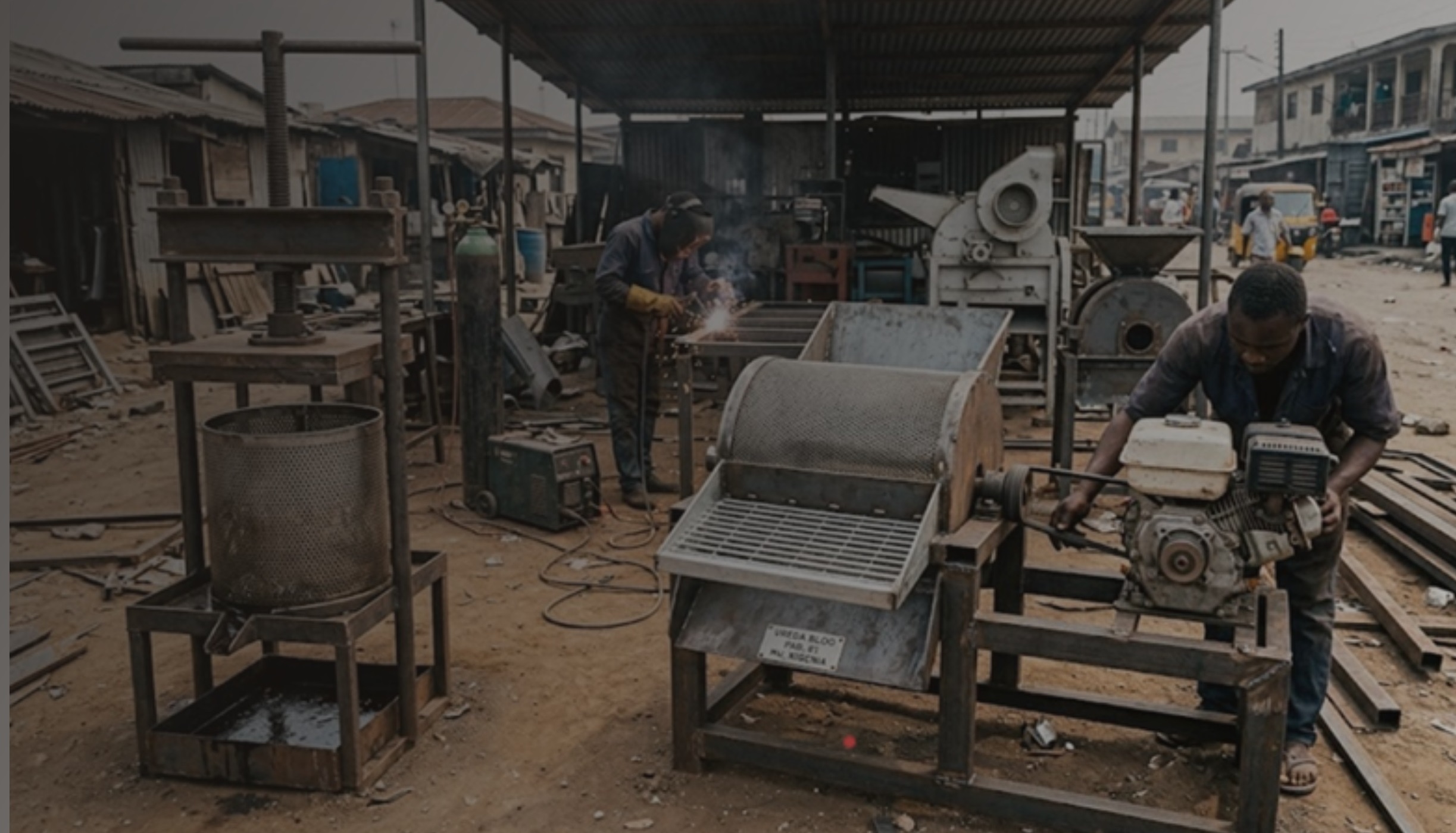
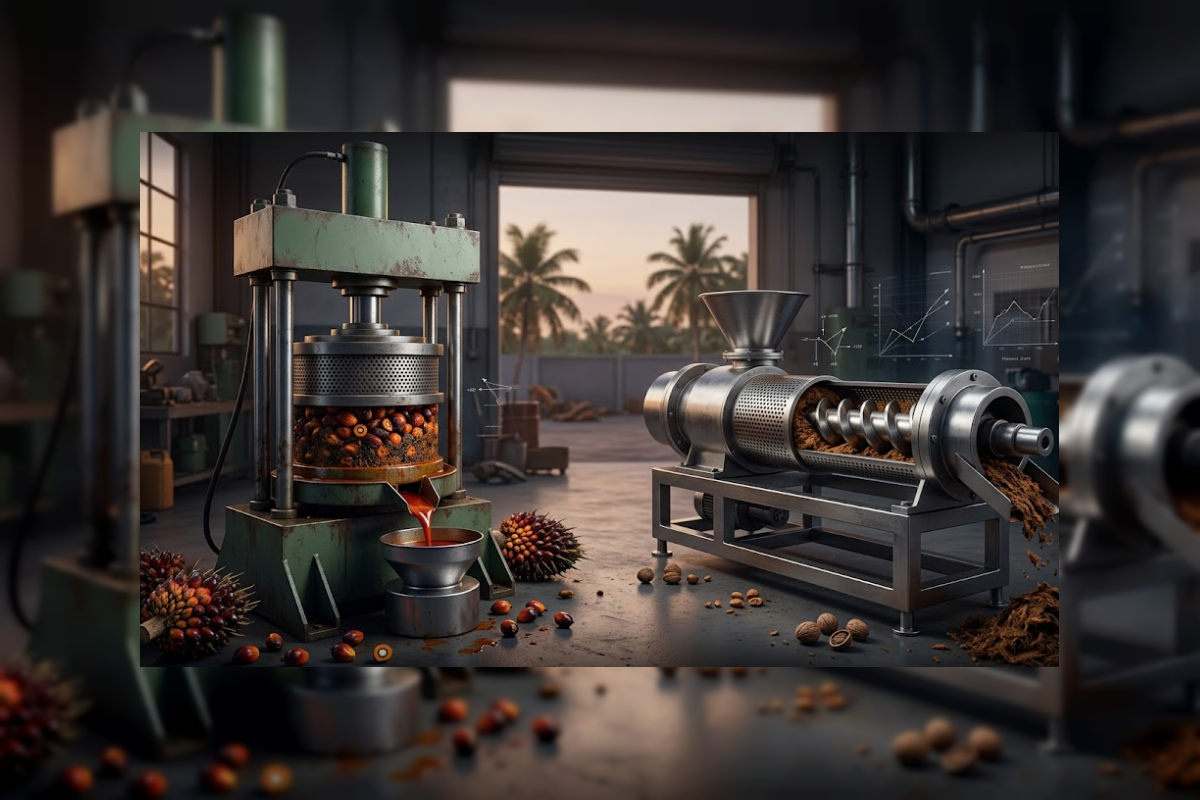
In the vibrant, bustling workshops of Nigeria, innovation is often born out of pure necessity. From modified cassava graters to custom-fabricated oil presses, local artisans are constantly pushing the boundaries of mechanical engineering to solve everyday problems. Yet, a persistent, frustrating challenge remains: how do you protect your intellectual property (IP) when your work is being copied faster than you can refine your designs? For the independent fabricator, securing an original machine design in an informal market can feel like an impossible, uphill task. However, understanding the nuances of intellectual property is the key to transitioning from a local craftsman to a recognized, respected industrial leader in the Nigerian mechanical-tech space.
Understanding the Informal Market Paradox
The informal market is a classic double-edged sword. On one hand, it provides a low barrier to entry and a ready-made network of buyers who value practical, rugged, and affordable machinery. On the other, it thrives on the rapid replication of successful products. When a craftsman develops a high efficiency machine, it is often only a matter of weeks before copycat versions, often of significantly inferior quality appear in neighboring markets. This does not just result in lost revenue; it erodes the reputation of the original inventor. Customers who unknowingly purchase a poorly constructed imitation often associate the failure of that machine with the original design concept, unfairly tarnishing the artisan's brand and credibility.
Defining Intellectual Property in a Mechanical Context
Intellectual property for an artisan is not just about expensive legal filings or complex court cases; it is about establishing a definitive "proof of origin." Whether you are creating a unique gearbox mechanism, a custom hydraulic circuit, or a proprietary frame structure, your design is your most valuable capital. In the context of the unique agro-machine design protections available, artisans need to start by documenting every stage of their creative process. This rigorous documentation creates a chronological narrative that serves as undeniable evidence should you ever need to challenge a blatant imitation in the competitive marketplace.
Strategy 1: Documenting the "Secret Sauce"
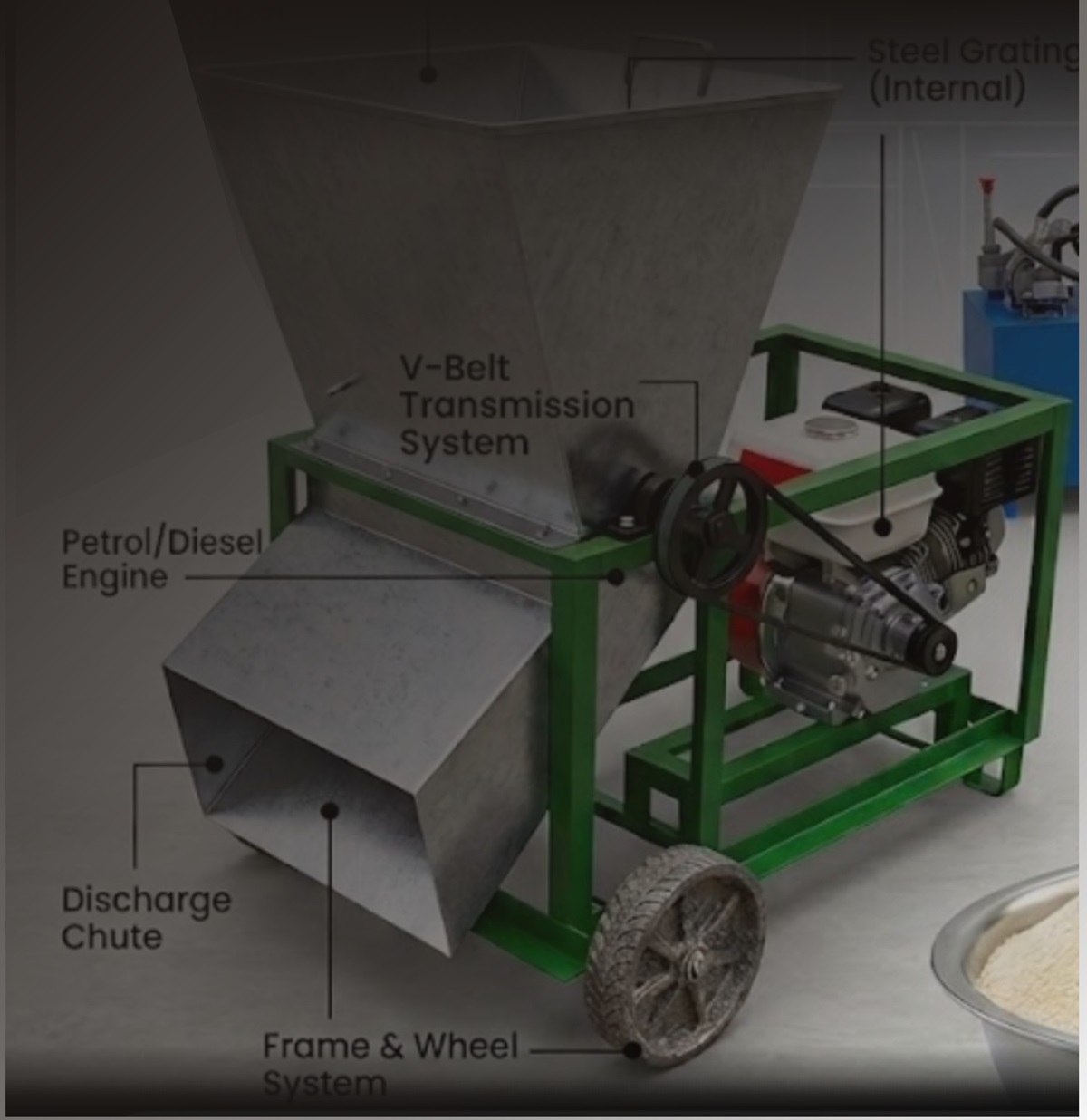
Most artisans view their machinery as a finished product, but the true value often lies in the hidden mechanical configurations the specific angle of a cutting blade, the tension ratio of a drive belt, or the exact material composition of a heat-treated component. To protect your work, start keeping a detailed technical journal. Capture high-quality photos, detailed sketches, and notes on why specific design choices were made. This is your first line of defense. By consistently documenting your innovation, you build a trail of evidence that validates your role as the original developer of the technology. This practice not only protects your IP but also helps you iterate on your designs more effectively.
Strategy 2: Branding as a Protective Barrier
In an informal market, your brand is the only thing that differentiates your high-quality machine from a cheap, unreliable imitation. Even without formal patents, you can protect your design by creating a strong, recognizable brand identity. When customers learn to associate your specific logo, color scheme, or design aesthetic with durability and top-tier performance, a copycat machine, no matter how similar it looks becomes a "generic" alternative in the eyes of the consumer. This creates a psychological market advantage that competitors cannot easily duplicate, effectively shielding your design through the power of consumer loyalty.
Strategy 3: Leveraging the "Community Trust" Model
The informal market is built on reputation. Rather than fighting every single copycat in court, leverage your professional network. Be vocal about your design improvements and your commitment to quality. When you host a demonstration of a new machine, invite local partners, stakeholders, and other fabricators to witness the "original" in action. By positioning yourself as the primary source of expertise in your niche, whether it’s local foundries or industrial fabrication, you make your machine the "standard" and all others the "variants." This community led approach is often far more effective than legal action in the early stages of business growth, as it builds a network of peers who recognize your authority.
Bridging the Gap to Formal Recognition
As your fabrication business grows, you will eventually reach a point where you need to transition from informal protection to formal IP rights. This is where your earlystage documentation truly pays off. Engage with local agencies that oversee patents and trademarks to understand the legal landscape. While the bureaucratic process may seem daunting, it is the natural, necessary evolution for an artisan who wants to scale their operations beyond the local workshop. Remember, your designs are the engine of your business; without formal protection, you are essentially building your future on shifting sand.
Why Your Design Matters to the Local Economy
The work of the independent fabricator is the true backbone of Nigeria’s indigenous engineering system. When you protect your machine designs, you are not just protecting your personal income; you are preserving the integrity of local mechanical-tech initiatives. By setting a high standard for quality, you force the entire market to improve. If every artisan protected their "secret sauce" through documentation, branding, and community involvement, the collective quality of locally fabricated machinery would rise. This leads to more competitive, durable, and efficient tools for our farmers and small business owners, fueling national economic growth.
Conclusion: The Path Forward
Protecting your machine design in an informal market requires a combination of vigilance, branding, and strategic documentation. You do not need a law degree to start protecting your work you simply need to value your own innovation as much as your customers do. Start by treating every design phase as an intellectual asset. By clearly defining what makes your machines unique and documenting your expertise, you build a foundation that is difficult to undermine.
Your workshop is a hub of immense potential, and your designs are the blueprint for a more mechanized, efficient future. Keep innovating, keep documenting, and always prioritize the quality that defines your brand. In the long run, the craftsman who delivers the most consistent value and maintains the highest standard of excellence will always be the one who defines the market, regardless of how many imitators follow in their wake.
Comments (0)
No comments yet. Be the first!
Please login to leave a comment
Login to Comment