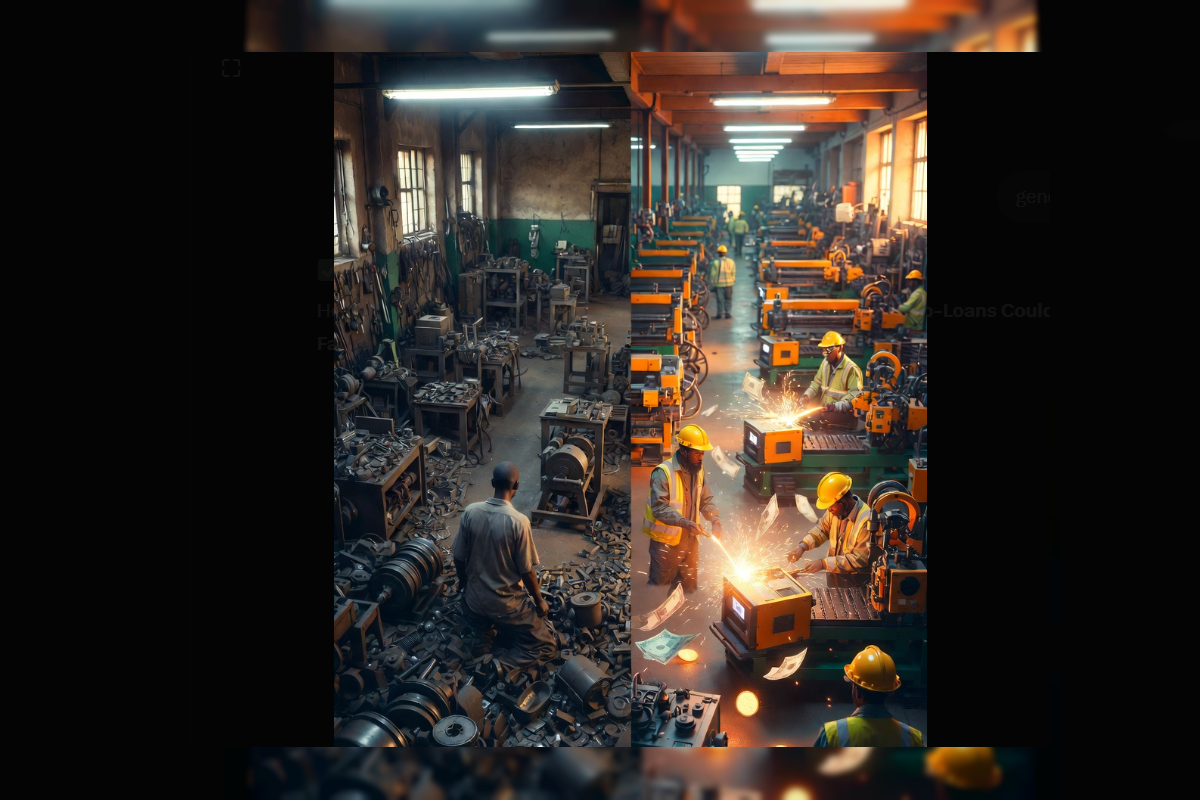

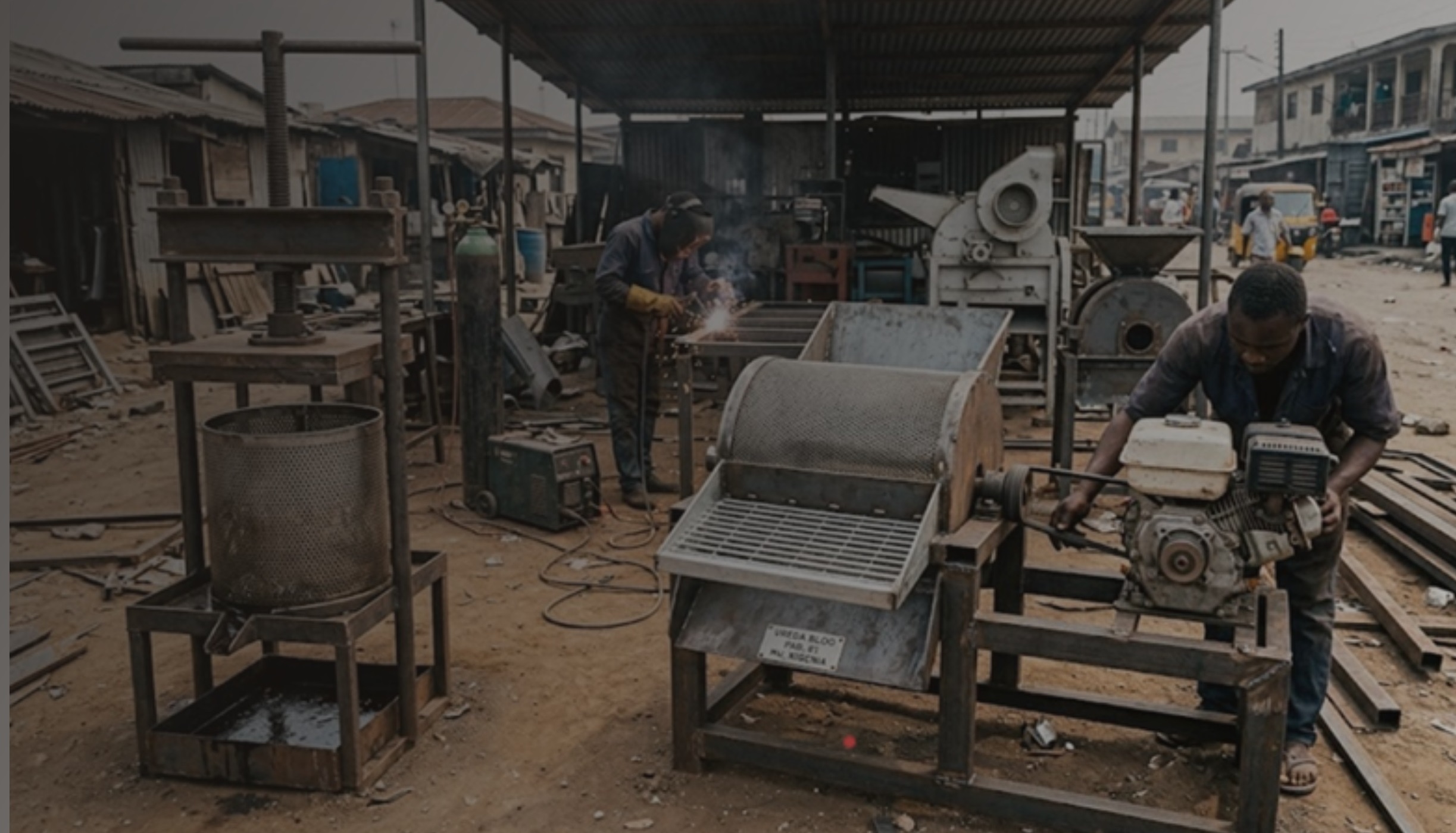
In the backstreets of Lagos, Onitsha, Aba, and Kano, thousands of hardworking fabricators wake up daily to cut, weld, bend, and shape metal with their bare hands and outdated machines. These men and women are the backbone of Nigeria’s informal manufacturing sector. Yet, many remain stuck — not because they lack skill, but because they lack capital.
What if they could easily access steady micro-loans? The impact would be massive.
The Current Struggle of Fabricators in Nigeria
Most fabrication workshops in Nigeria are small, one-man or family businesses. A typical welder or fabricator earns decent money when work comes, but the biggest challenge is scaling.
They need money to:
- Buy modern machines (plasma cutters, CNC machines, bending machines)
- Purchase quality raw materials in bulk
- Hire more skilled hands
- Expand workshop space
Without capital, they continue using manual methods, deliver slowly, and lose big contracts to better-equipped competitors — including Chinese imports.
Why Micro-Loans Can Be a Game Changer
Steady, accessible micro-loans (not the outrageous 20-30% monthly interest ones) can completely change the game for fabricators.
Imagine a welder in Owerri who gets a ₦2.5 million loan at reasonable interest:
- He buys a modern welding machine and plasma cutter
- Hires two more apprentices
- Starts taking on bigger jobs — gates, railings, tank fabrication, and even structural steel works
Within 12–18 months, that small workshop can transform into a serious fabrication company employing 10–15 people.
Real Impact on the Fabrication Industry
With consistent micro-loan access:
- Increased Productivity: Fabricators can move from manual to semi-automated production.
- Better Quality: Access to better machines = better finishing and stronger structures.
- Job Creation: One successful fabricator can employ many youths in his community.
- Import Substitution: Nigeria can produce more locally instead of importing gates, tanks, and metal works.
The Missing Piece: Reliable Finance
The biggest problem is not lack of ideas — it’s lack of trust from traditional banks. Most banks see fabricators as “high risk.” They demand collaterals many small business owners don’t have.
This is where well-structured microfinance institutions, cooperative societies, and fintech lenders targeting the real sector can step in.
Just like we discussed in SME scaling, access to the right funding at the right time is what separates struggling businesses from thriving ones.
Conclusion: The Time Is Now
Nigeria’s fabrication industry has huge potential. From construction to agriculture (storage tanks, silos), to automotive and even creative metal works — the demand is there.
All that is missing is steady, affordable capital.
If the government, financial institutions, and development partners can create sustainable micro-loan programs specifically for fabricators and technical artisans, we will not only create thousands of jobs but also build a stronger Made-in-Nigeria ecosystem.
To every fabricator reading this: Keep pushing. The machines and opportunities you desire are closer than you think.
To policymakers and lenders: The next big industrial revolution in Nigeria might not start in big factories — it may start in small welding workshops across our cities and villages, empowered by smart micro-loans.
What do you think? Should the government create special funding windows for fabricators and artisans?
Drop your thoughts in the comments.
Comments (0)
No comments yet. Be the first!
Please login to leave a comment
Login to Comment